
For many Americans, turning on the tap and filling a glass of water is part of everyday life. But have you ever stopped to wonder what’s actually in your tap water?
The answer isn’t always straightforward. While public water systems across the United States are regulated and generally considered safe to drink, that doesn’t mean your tap water is completely free of contaminants. Aging infrastructure, environmental pollution, and household plumbing can all affect the quality of the water coming out of your faucet.
If you’re asking yourself, “Is tap water safe?” here’s what you need to know.
Is U.S. Tap Water Safe to Drink?
The Environmental Protection Agency (EPA) regulates public drinking water under the Safe Drinking Water Act, requiring municipalities to monitor and treat water before it reaches homes. In most areas, tap water meets federal safety standards. However, “meeting standards” doesn’t necessarily mean the water is as clean or healthy as many homeowners assume.
Water travels through miles of underground pipes before reaching your home. Along the way, it can pick up sediment, rust, heavy metals, bacteria, and other contaminants. Older homes may also have plumbing that contributes additional impurities to the water supply.
Even if your local water utility is doing its job, your home’s plumbing system could still impact your water quality. You can check your area’s Consumer Confidence Report (CCR) to see what contaminants have been detected in your local water supply.
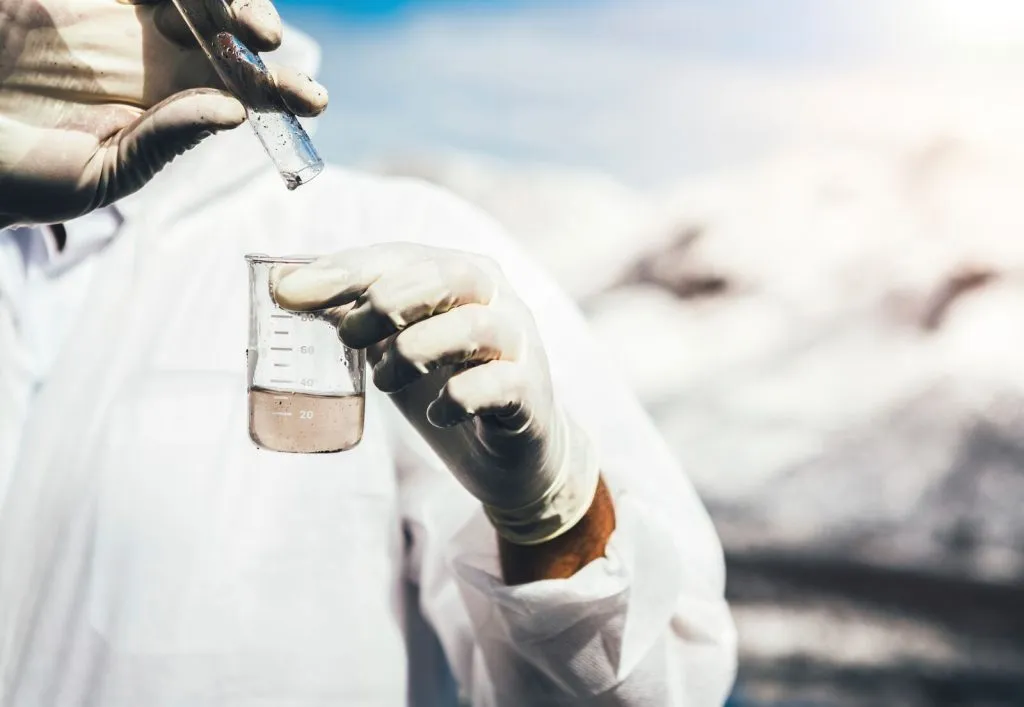
What’s Really in Your Tap Water?
Depending on where you live, tap water may contain a variety of contaminants, including:
- Chlorine and disinfectant byproducts
- Sediment and rust
- Heavy metals such as lead and mercury
- PFAS (“forever chemicals”)
- Microplastics
- Bacteria and viruses
- Unpleasant tastes and odors
Many of these contaminants aren’t always visible, making it difficult to know what’s in your water without proper testing or filtration.
Why Water Quality Matters
Water is used for far more than drinking. Every day, your family uses tap water for cooking, bathing, cleaning, making coffee, brushing your teeth, and washing fruits and vegetables.
According to the Centers for Disease Control and Prevention (CDC), water quality depends on where the water comes from, how it’s treated, and the condition of the pipes it travels through before reaching your home.
Poor water quality can affect taste, odor, and your confidence in the water your family uses every day. That’s why many homeowners choose to install a whole-home water filtration system.
Do Water Filters Really Help?
A quality water filtration system can remove many of the contaminants that municipal treatment may leave behind.
Unlike basic pitcher filters that only improve drinking water from a single container, a whole-home filtration system treats water before it reaches every faucet, shower, and appliance in your house.
Advanced filtration technologies can help reduce:
- Sediment
- Heavy metals
- Harmful chemicals
- Bacteria
- Bad tastes and odors
- PFAS and microplastics (depending on the filtration technology)
Why Choose a Whole-Home Water Filtration System?
Many homeowners assume they only need filtered drinking water, but every tap in your home delivers the same water.
A whole-home system offers several benefits:
- Cleaner water from every faucet
- Better tasting drinking water
- Improved water for cooking
- Cleaner showers and baths
- Reduced exposure to unwanted contaminants
- Protection for plumbing fixtures and appliances
Instead of filtering water at just one sink, your entire household benefits from cleaner water every day.
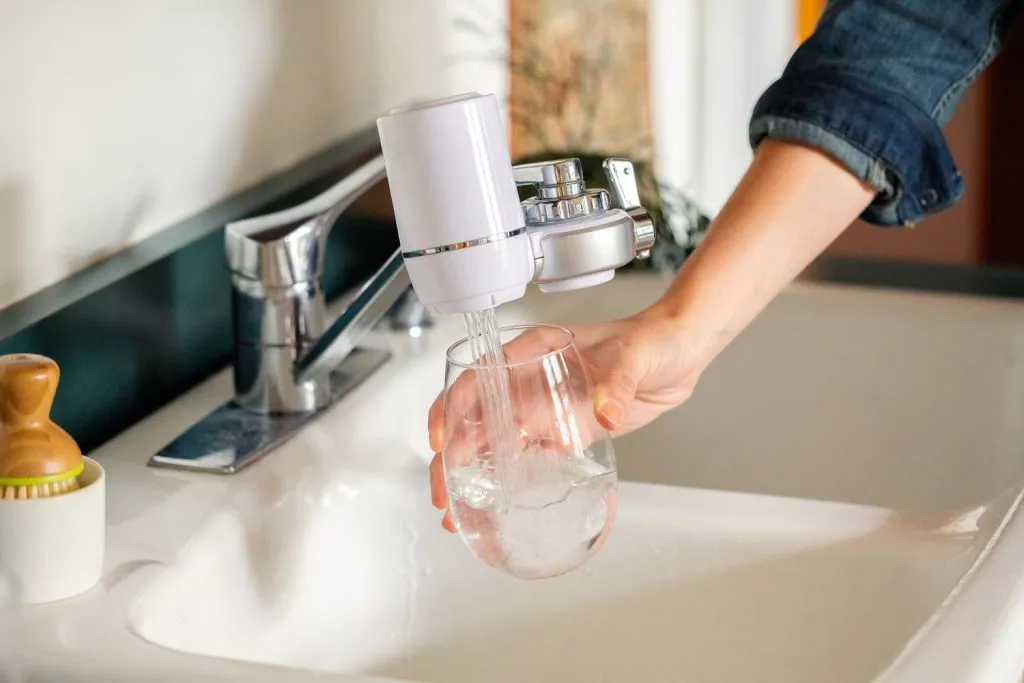
The New Blue Filtration Difference
Not all filtration systems are created equal.
New Blue Filtration’s whole-home systems use a multi-stage filtration process designed to remove the four major categories of water contaminants:
- Sediment
- Heavy metals
- Chemicals
- Bacteria
Their systems are also designed to reduce fluoride, PFAS (forever chemicals), and microplastics while maintaining strong water pressure throughout your home. Unlike many reverse osmosis systems, New Blue Filtration’s technology treats water for the entire house without producing significant water waste or limiting filtration to a single faucet.
The process combines hydrophilic filtration, redox and adsorption technology, and UV sterilization to provide chemical-free protection against bacteria and other harmful microorganisms.
Ready for Cleaner, Safer Water?
Don’t leave your family’s water quality to chance.
New Blue Filtration offers advanced whole-home filtration systems designed to reduce sediment, heavy metals, chemicals, bacteria, PFAS, microplastics, and more—without sacrificing water pressure.
Get Started Today
✔ Visit https://www.newbluefiltration.com/
Cleaner water starts with a better filtration system—and New Blue Filtration is here to help every step of the way.
