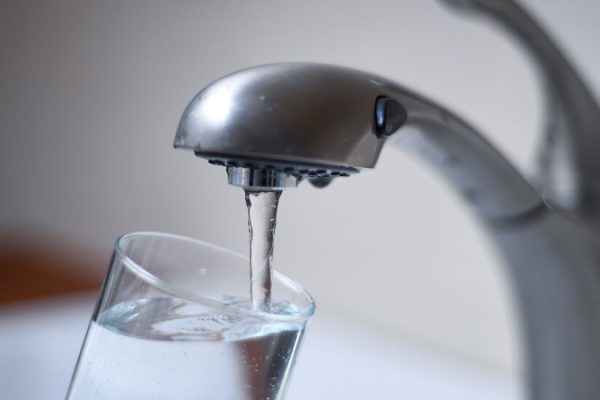

an open tap letting water flow into a glass

The Hidden Dangers of Fluoride in Drinking Water

Fluoride has been added to public drinking water for decades to help prevent tooth decay. While controlled, low doses can provide dental benefits, growing evidence suggests that excessive fluoride exposure may carry health risks — especially when it accumulates from multiple sources like tap water, toothpaste, processed foods, and beverages. At New Blue Filtration, we …

micro plastic in water

Dangerous Bacteria May Be Lurking in Your Drinking Water

You turn on your tap expecting clean, refreshing water. It looks clear. It smells fine. It tastes normal. But the unsettling truth is this: harmful bacteria can be present in drinking water without any visible warning signs. Contamination doesn’t always come from dramatic disasters or headline-making events. It can result from aging infrastructure, agricultural runoff, …

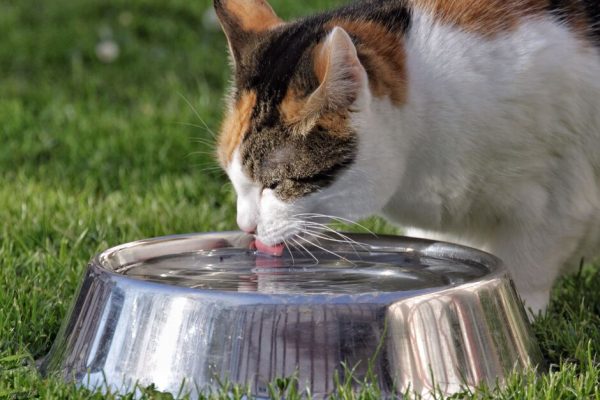
a cat drinking water from a metal pet dish

Pet Bacteria: The Hidden Dangers in Your Pet’s Water Dish

Most pet owners assume that simply keeping a bowl filled with fresh water is enough to keep their furry friends healthy. Unfortunately, that assumption can put pets at risk. Pet water bowls are one of the most overlooked breeding grounds for harmful bacteria, especially when multiple pets share the same dish. Each time a dog …

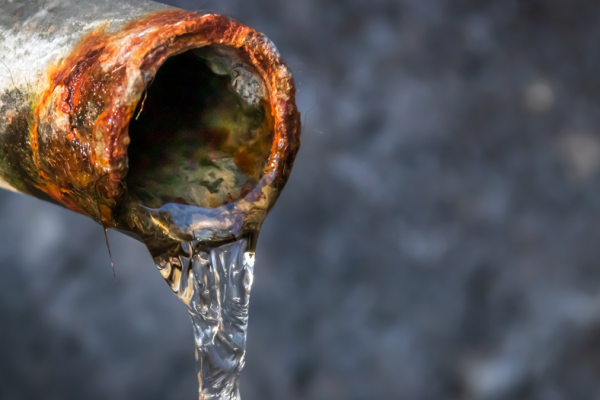
a rusted metal pipe with water flowing out it

The Dangers of Heavy Metals in Drinking Water

Clean water is essential for life, yet hidden contaminants like heavy metals can put your family at risk. Heavy metals—including lead, arsenic, mercury, and cadmium—can enter your water through corroded pipes, industrial pollution, mining runoff, and even natural deposits in soil and rock. Unlike many other pollutants, these metals do not break down over time, …

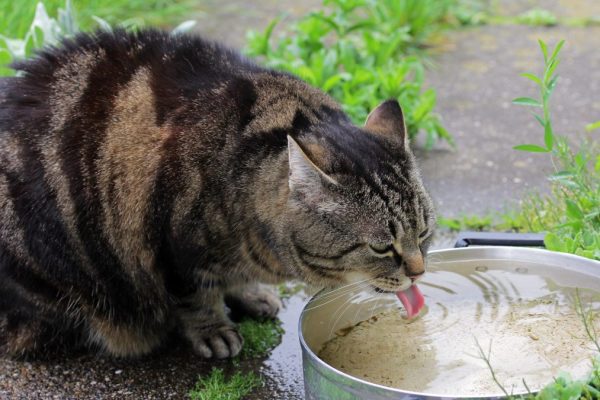
a cat drinking water from a bowl

Cat Kidney Disease: The Link Between Clean Water and Feline Health

Chronic kidney disease (CKD) is a serious and common condition in aging cats. Studies show that 30–40% of cats over 10 years old develop CKD, and this number rises to 80% in cats over 15. One of the biggest challenges is that cats can lose up to two-thirds of their kidney function before visible symptoms …

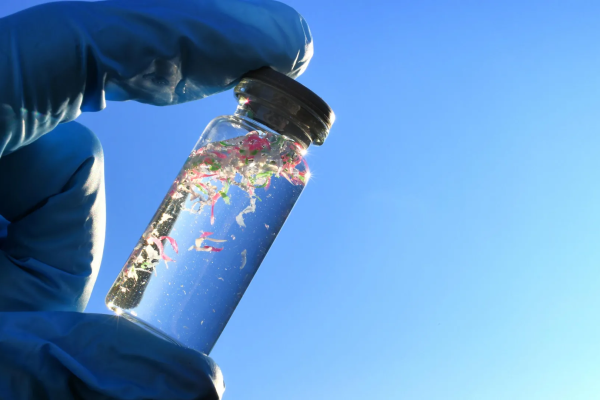
a small bottle filled with water and plastic

The Hidden Dangers of Microplastics in Drinking Water

Microplastics—tiny plastic particles less than 5 millimeters in size—are rapidly emerging as a serious global health concern. Once considered primarily an environmental issue, these particles are now being detected in tap water, bottled water, and even the food we eat. While research is still in its early stages, the potential risks of ingesting microplastics are …

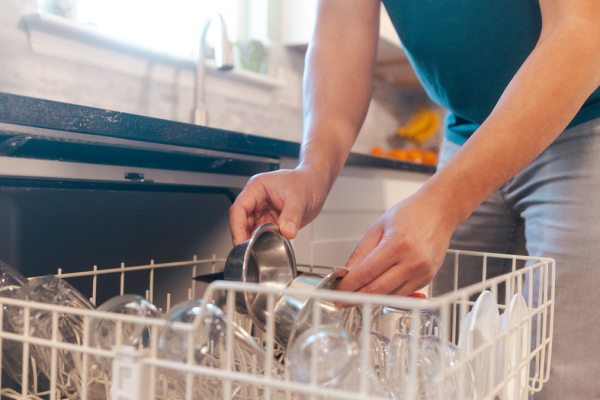
a person putting their pets water bowl in the dishwasher

Drinking Water and Your Pet’s Health: Why Clean Hydration Matters

Clean drinking water is essential for your pet’s health. Just like humans, pets rely on proper hydration to regulate body temperature, support digestion, and flush toxins. But what if the water coming from your tap isn’t as safe as you think? Hidden Contaminants in Tap Water Many public water supplies contain chlorine, fluoride, and trace …

a cat putting its paw under running water

Cats & Persistent Organic Pollutants: The Hidden Toxins in Water

Cats are curious creatures, but some of what they consume may quietly harm their health. A 2024 study in Science of the Total Environment revealed that cats can accumulate persistent organic pollutants (POPs)—including PCBs, PBDEs, and organochlorine pesticides—especially in their kidneys. These lipophilic compounds collect in fatty tissues, potentially leading to cellular damage and an …