
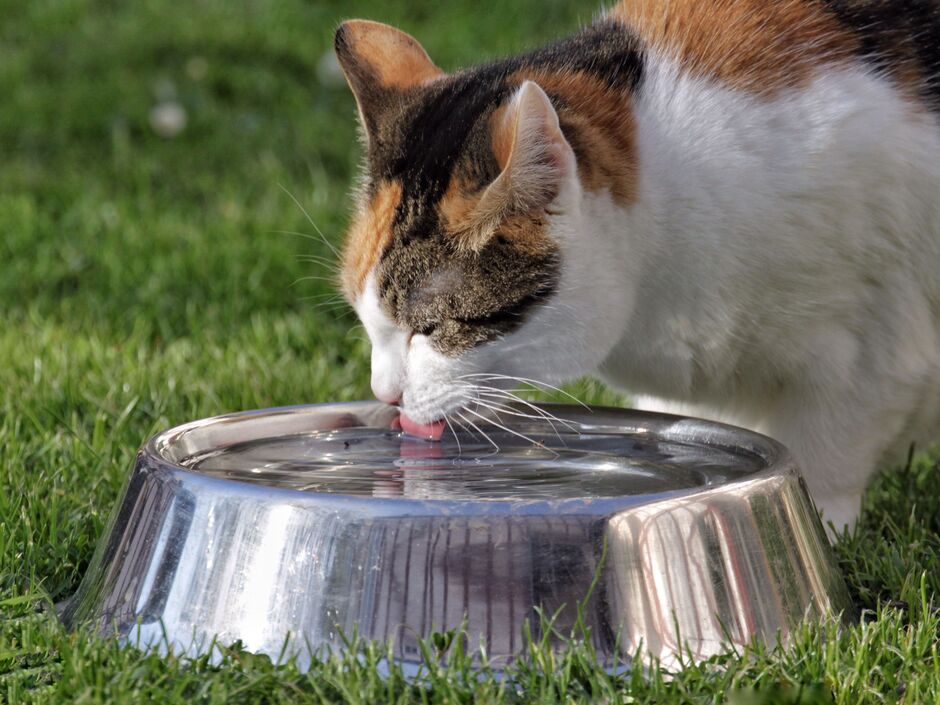
Most pet owners assume that simply keeping a bowl filled with fresh water is enough to keep their furry friends healthy. Unfortunately, that assumption can put pets at risk. Pet water bowls are one of the most overlooked breeding grounds for harmful bacteria, especially when multiple pets share the same dish.

Each time a dog or cat drinks, saliva, food particles, and microscopic organisms are introduced into the water. When multiple pets share a bowl, bacteria, viruses, and parasites can spread from one animal to another. Pathogens like Giardia, E. coli, and certain fungi can silently thrive—particularly if one pet carries an infection without showing visible symptoms. Even healthy pets can fall ill if exposed to contaminated water over time.
The Hidden Danger of Stagnant Water
Stagnant water creates another hidden hazard: biofilm. This slimy layer coats bowls and shelters harmful microbes, making them difficult to remove with a quick rinse. Over time, biofilm can become a persistent source of infection, harboring bacteria that cause:
- Stomach upset
- Diarrhea
- Vomiting
- More serious infections
Biofilm is particularly dangerous in households with multiple pets, older pets, or pets with weaker immune systems. Even water that looks clean can be hiding these invisible threats.
Signs Your Pet May Be Affected
Pets rarely show immediate signs of illness from contaminated water. However, some warning signs include:
- Reluctance to drink water
- Increased thirst or frequent urination
- Digestive upset (vomiting or diarrhea)
- Reduced energy or lethargy
- Changes in appetite
If any of these symptoms appear consistently, it could be a sign that your pet is being exposed to harmful microbes in their drinking water.
Simple Steps to Keep Your Pet Safe
Fortunately, there are several easy steps pet owners can take to protect their pets:
- Wash water bowls daily with hot, soapy water to remove bacteria and biofilm.
- Refill with fresh water multiple times a day to prevent stagnation.
- Provide separate bowls for each pet to reduce cross-contamination.
- Keep water bowls in a shaded, clean area to prevent bacterial growth from heat.
- Consider filtered or purified water for pets, especially if your tap water quality is inconsistent.
Regular cleaning and fresh water are essential, but for added protection, advanced filtration is the most effective way to ensure safe hydration for pets.
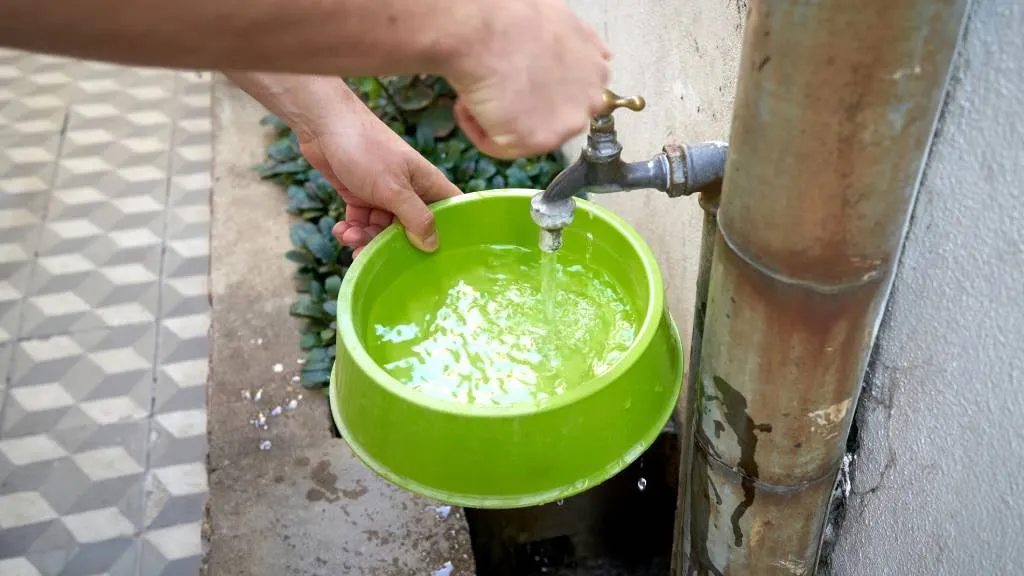
Why Filtered Water Matters
Even municipal tap water may contain trace chemicals, sediments, or microbial contaminants. While these may be safe for humans in small amounts, pets are often more sensitive to these elements. Long-term exposure can contribute to digestive issues, kidney stress, and weakened immunity.
Using a reliable filtration system designed for pet water can remove:
- Bacteria and viruses
- Sediment and debris
- Chemicals, chlorine, and fluoride
- Odors and unpleasant tastes
Filtered water encourages pets to drink more, supporting hydration and overall health.
Upgrade to Safer Water with New Blue Filtration
💧 New Blue Filtration’s Pet Dish provides ultra-clean, filtered water for pets, removing harmful bacteria and contaminants before they reach your pet’s bowl. Using advanced multi-stage filtration, this system ensures that water is not only fresh but also safe for everyday consumption.
Some benefits of the New Blue Filtration Pet Dish include:
- Ultra-quiet, low-decibel operation for home or commercial use
- Motion-activated water dispensing for hands-free convenience
- Six-layer filtration + UV purification for maximum water safety
- Removes bacteria, heavy metals, hardness, chlorine, and sediment
- Food-grade stainless-steel construction for long-lasting durability
- Sleek, modern design ideal for homes, offices, clinics, schools, and hospitalization
For families with dogs, cats, or both, the New Blue Pet Dish provides peace of mind, knowing every sip is clean, safe, and healthy. It’s an investment in your pet’s long-term well-being.
