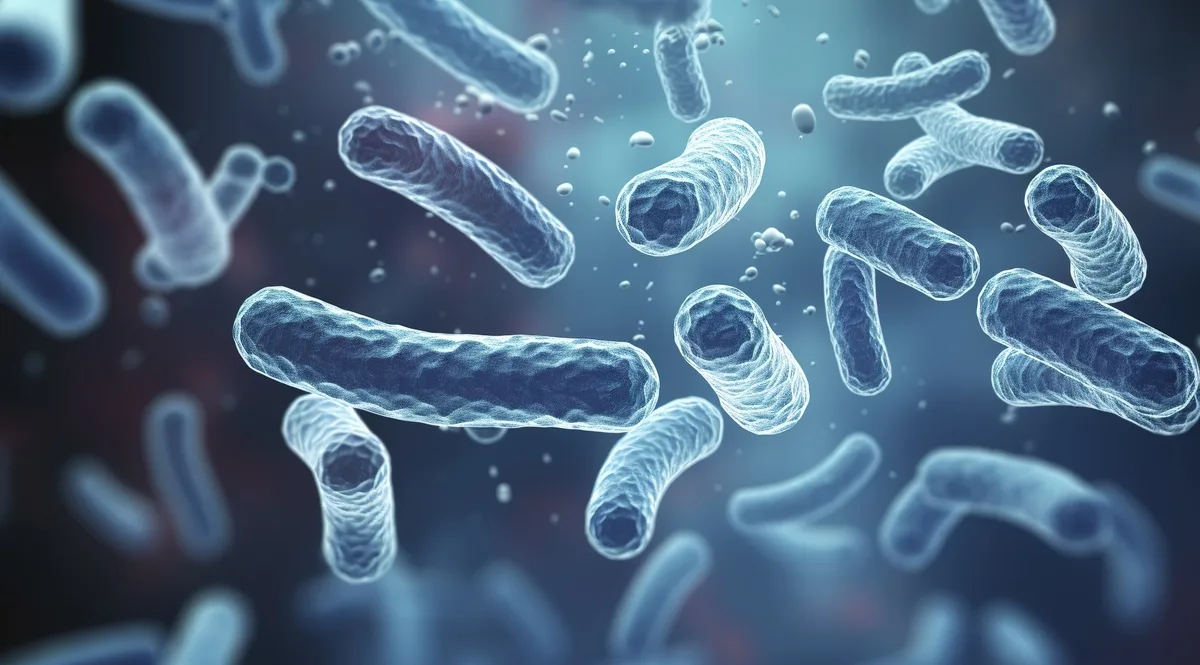
You turn on your tap expecting clean, refreshing water. It looks clear. It smells fine. It tastes normal. But the unsettling truth is this: harmful bacteria can be present in drinking water without any visible warning signs.
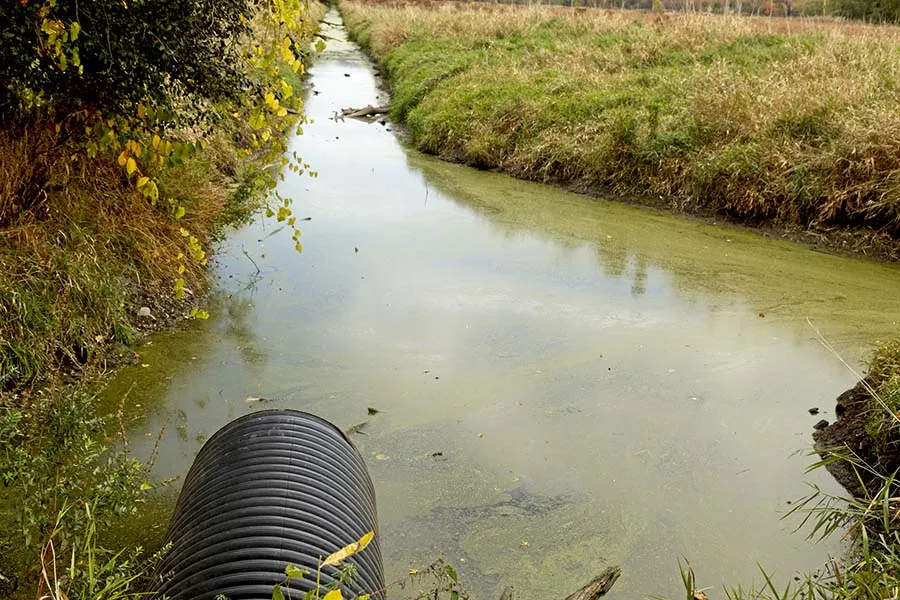
Contamination doesn’t always come from dramatic disasters or headline-making events. It can result from aging infrastructure, agricultural runoff, leaking septic systems, flooding, or even naturally occurring microorganisms in groundwater. What makes this especially concerning is that many dangerous bacteria are invisible, odorless, and tasteless — yet capable of causing serious illness.
Clean-looking water is not the same as safe water.
How Drinking Water Becomes Contaminated
Public water systems are designed to treat and disinfect water before it reaches your home. Modern treatment plants use filtration and chemical disinfection to reduce pathogens and contaminants to regulated levels. However, no system is perfect.
Contamination can occur at multiple points along the journey from source to tap:
• Cracked or aging underground pipes
• Cross-connections between sewage and drinking water lines
• Heavy rainfall and flooding events
• Agricultural runoff carrying animal waste
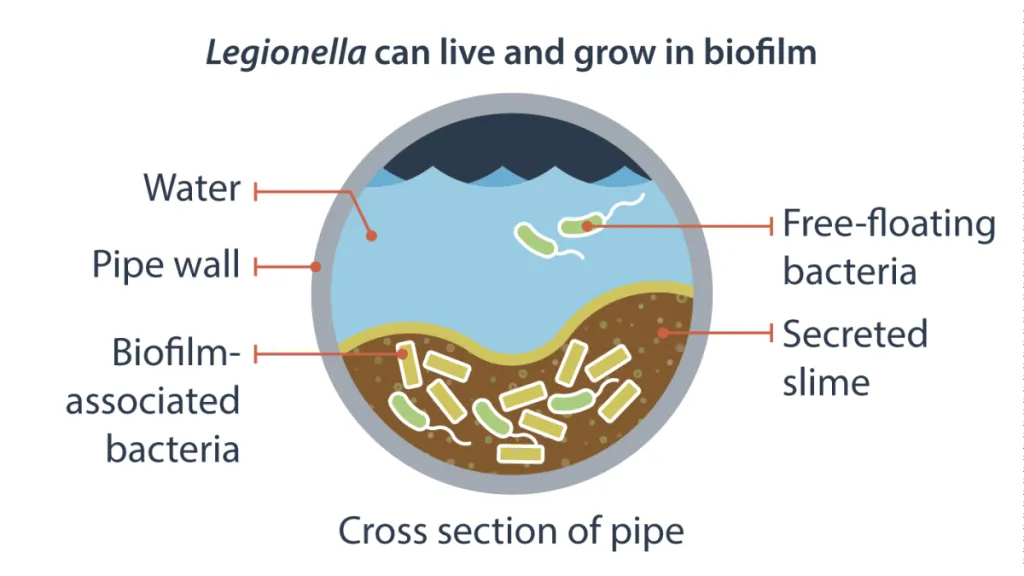
• Biofilm buildup inside plumbing systems
• Storage tanks and household plumbing
Even after water leaves a treatment facility, it must travel through kilometers of pipe before reaching your home. In older infrastructure systems, pipes can corrode, crack, or shift — allowing bacteria and contaminants to enter. Pressure changes in the system can also draw in polluted water through small leaks.
When contamination happens, families often don’t know until people start getting sick.
Dangerous Bacteria That May Be in Drinking Water
Several harmful bacteria are commonly associated with waterborne illness. While regulations aim to limit their presence, outbreaks still occur.
E. coli
Escherichia coli (E. coli) is often linked to fecal contamination. While many strains are harmless, pathogenic strains can cause:
• Severe stomach cramps
• Bloody diarrhea
• Vomiting
• Fever
• Dehydration
In children and elderly individuals, certain strains can lead to serious kidney complications, including hemolytic uremic syndrome (HUS), which can be life-threatening.
Salmonella
Salmonella infections can occur when water becomes contaminated by animal or human waste. Symptoms may include:
• Diarrhea
• Fever
• Abdominal pain
• Nausea
• Headaches
For vulnerable individuals, dehydration and complications can become dangerous if not treated quickly.
Legionella
Legionella bacteria thrive in warm, stagnant water and can multiply in household plumbing systems, hot water tanks, air conditioning systems, and showerheads. When inhaled through contaminated water droplets, they can cause Legionnaires’ disease — a severe and potentially fatal form of pneumonia.
Unlike stomach-based infections, Legionnaires’ disease primarily affects the lungs and can progress rapidly, especially in older adults or those with weakened immune systems.
The Toxins You Can’t See
Some bacteria do more than cause short-term illness. Certain strains produce toxins that may continue damaging the body even after the initial infection has passed.
These toxins can potentially affect:
• The kidneys
• The liver
• The nervous system
• The immune response
In severe cases, long-term health effects may linger well beyond the original exposure. This makes prevention far more important than reaction.
Are Municipal Systems Enough?
Municipal water treatment facilities use disinfection methods such as chlorination and filtration to kill pathogens. While these processes are highly effective, they are not foolproof.
Challenges that can compromise safety include:
• Infrastructure failures
• Pipe breaks
• Treatment plant malfunctions
• Extreme weather events
• Biofilm growth inside pipes
• Contamination between the treatment plant and your tap
In the United States alone, thousands of boil water advisories are issued each year. These advisories often occur after contamination has already been detected — meaning exposure may have already happened.
Outbreaks can strike without warning.
Clear water does not guarantee microbial safety.
Why Vulnerable Populations Are at Higher Risk
Certain groups face greater danger from bacterial contamination:
• Infants and young children
• Elderly individuals
• Pregnant women
• People with weakened immune systems
• Individuals undergoing medical treatments
For these populations, what may be a temporary stomach illness for one person could become a serious, life-threatening infection for another.
Even healthy adults can experience severe symptoms depending on the strain of bacteria and the level of exposure.
The Only Reliable Defense: Advanced Water Filtration and Purification
Boiling water can kill bacteria during an emergency, but it’s not a practical long‑term strategy — and it doesn’t remove chemical contaminants, sediment, or toxins.
The most reliable way to protect your household is through advanced water filtration and purification systems designed to eliminate bacteria before they ever reach your glass.
At New Blue Filtration, our systems are engineered to remove four main contaminant categories, including sediment, heavy metals, chemicals, bacteria, fluoride and PFAs (microplastics) — without reducing water pressure or wasting water.
Don’t Wait for a Warning
Many families assume water safety is guaranteed. Unfortunately, contamination events prove otherwise.
By the time a boil advisory is issued, families may already have been exposed. Waiting for visible signs of contamination is not a safe strategy — because dangerous bacteria rarely announce themselves.
Clean, safe water should never be left to chance.
Protecting your home with advanced filtration and purification ensures that every glass of water, every shower, and every meal prepared with tap water is backed by an added layer of security.
Your health — and your family’s health — depends on what flows through your pipes every single day.
Don’t wait until illness forces the question.
Make sure the water you drink is truly safe.
