

When we turn on the tap and fill our pet’s water bowl, we naturally assume the water is safe. After all, if it’s safe for us, it must be safe for them — right?
Not necessarily.
Dogs and cats often drink the same water every single day, sometimes multiple times a day, for years. Because of their smaller body size and sensitive internal systems, even low levels of chlorine, sediment, and chemical additives can place unnecessary stress on their kidneys and digestive systems over time.
At New Blue Filtration, we believe clean water isn’t just for people — it’s for every member of your family.
Why Tap Water Can Affect Pets Differently
Municipal water is treated to meet human safety standards, but pets process water differently. They consume proportionally more water relative to their body weight, which means contaminants may have a greater impact on their bodies.
Common elements found in untreated tap water can include:
• Chlorine and chloramine used for disinfection
• Sediment from pipes and aging infrastructure
• Heavy metals such as copper or lead
• Chemical by-products from water treatment processes
While these may fall within regulated limits for human consumption, long-term exposure may contribute to kidney strain, digestive irritation, or urinary sensitivities in pets — particularly in older animals or breeds already prone to kidney issues.
Unlike humans, pets do not vary their water sources. If there is an issue with water quality, they are exposed to it consistently, day after day.
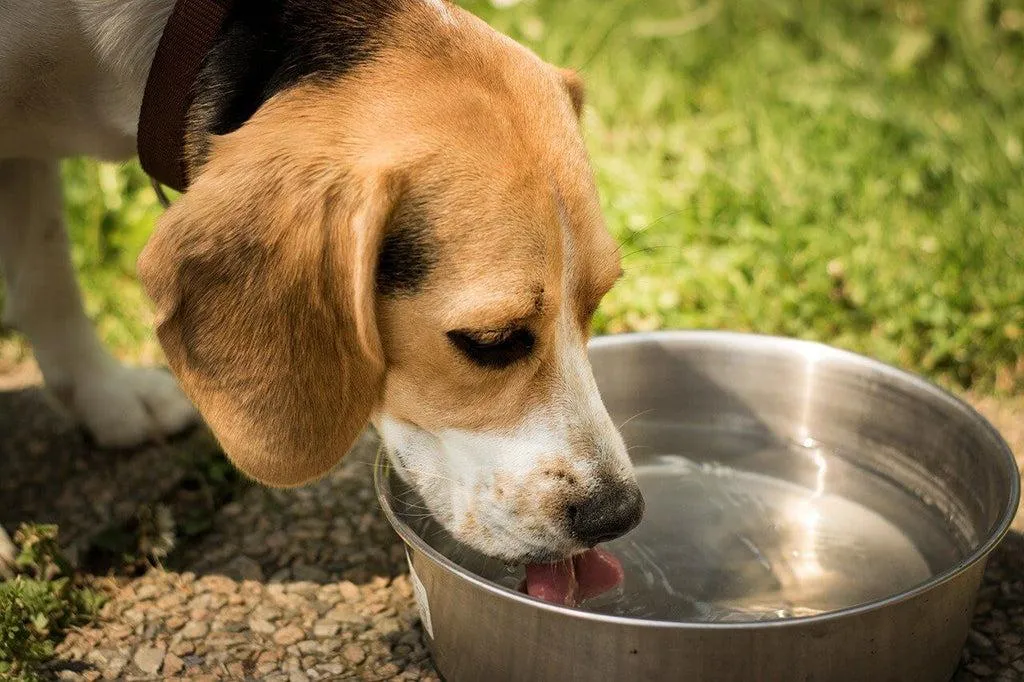
The Hidden Danger in the Bowl: Bacteria and Biofilm
Even if you start with clean water, your pet’s bowl can quickly become contaminated.
As pets drink, saliva, food particles, and environmental debris enter the water. Within hours, bacteria begin multiplying. The slippery layer that forms along the inside of the bowl is known as biofilm — a sticky buildup that traps harmful microorganisms and protects them from simple rinsing.
If not cleaned properly and regularly, contaminated bowls can increase the risk of:
• Upset stomach and diarrhea
• Vomiting
• Urinary tract infections
• Chronic inflammation
• Reduced appetite
Plastic bowls are particularly vulnerable because small scratches create hiding places for bacteria. Stainless steel and high-quality, easy-to-clean materials are generally safer and more hygienic options.
Regular cleaning is essential — but so is starting with cleaner water.
Hydration and Your Pet’s Long-Term Health
Water plays a vital role in nearly every function of your pet’s body.
Proper hydration supports:
• Healthy kidney function
• Efficient nutrient absorption
• Temperature regulation
• Joint lubrication
• Natural detoxification processes
Poor water quality may not cause immediate symptoms, but over months or years, it can contribute to internal stress — especially in pets already prone to kidney disease or urinary tract issues.
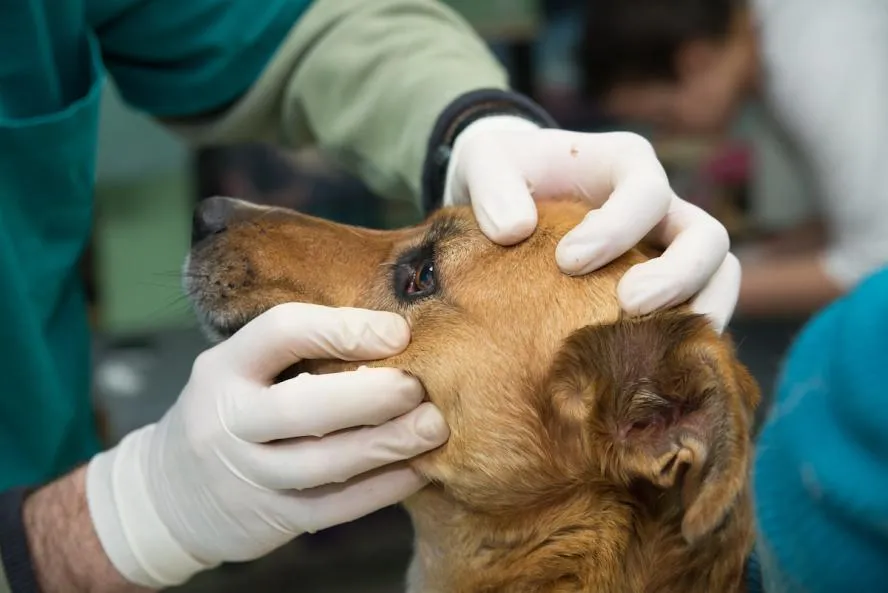
Watch for signs that may indicate hydration or urinary concerns:
• Increased thirst
• Frequent urination
• Straining while urinating
• Lethargy
• Changes in appetite
If you notice any of these symptoms, consult your veterinarian promptly.
Simple Steps for Cleaner, Safer Hydration
Improving your pet’s water quality doesn’t require drastic changes. Small, consistent habits can make a significant difference:
• Refresh water daily
• Wash bowls thoroughly with soap and warm water
• Avoid letting water stand for extended periods
• Use filtered or purified water to reduce chemical exposure
• Monitor your pet’s hydration and urinary health
Switching from untreated tap water to filtered water often improves taste and odor, encouraging pets to drink more consistently while reducing exposure to chlorine, sediment, and other impurities.
The New Blue Pet Dish: Designed for Cleaner Water
The New Blue Pet Dish is designed to help keep your pet’s drinking water cleaner and fresher for longer.
Crafted with hygiene and durability in mind, it supports reduced bacterial buildup and promotes safer hydration for dogs and cats of all sizes. When combined with filtered water from a New Blue Filtration system, it creates a more complete hydration solution — cleaner water from the tap and a cleaner surface in the bowl.
Your pets rely on you for everything — from nutrition and shelter to daily hydration. Providing fresh, filtered water in a clean, well-designed dish is one of the simplest yet most powerful ways to support their long-term health.
Because your pets aren’t just animals. They’re family.
